

Creating an engaging outdoor recreational space in the southern United States requires a proactive approach to combatting the severe environmental conditions that define the region. When planning commercial playgrounds in Texas, the intense, prolonged summer heat must be the primary consideration guiding every architectural and material decision. Facility directors, school administrators, and community planners must recognize that an unshaded, poorly planned play area can quickly become a hazardous environment where extreme temperatures render the equipment completely unusable for several months of the year. The intense solar radiation bakes exposed surfaces, rapidly elevating the temperature of plastics and metals to levels capable of causing severe contact burns on a child’s sensitive skin. To mitigate these risks and create truly heat-safe playgrounds, developers must employ a comprehensive design strategy that combines strategic shading with advanced material science. This holistic approach ensures that the investment remains safe, comfortable, and highly functional during the peak summer months, drastically extending the daily usable hours of the park.
Integrating Shade Structures
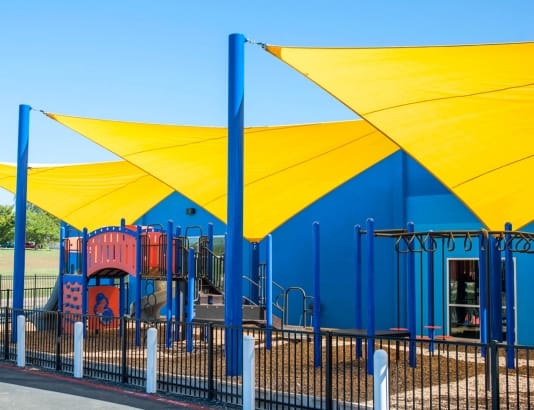
The most critical defense against the southern sun is the strategic implementation of massive, commercial-grade fabric canopies. Utilizing high-quality playground shade structures Texas is not merely an aesthetic choice or an optional accessory; it is a fundamental safety requirement that dictates the overall viability of the recreational space. These specialized tensioned fabric structures are meticulously engineered to block up to 98 percent of harmful ultraviolet radiation while allowing hot air to escape through the breathable mesh material. By casting massive, cooling shadows directly over the highest-traffic areas of the play structure, these canopies significantly lower the ambient temperature of the surrounding environment and keep critical touchpoints like slides, swings, and metal handrails comfortably cool to the touch. The placement of these structures is calculated using solar path software to ensure maximum protection during the hottest afternoon hours when the sun is at its most punishing angle.
Choosing Proper Materials
Beyond overhead protection, the physical composition and color of the play structures themselves play a massive role in regulating surface temperatures. Planners must insist on utilizing highly advanced UV-resistant playground equipment designed specifically to withstand relentless solar exposure without degrading, cracking, or absorbing excessive heat. Color psychology and thermal dynamics intersect here, as lighter-colored, high-density polyethylene plastics naturally reflect a significant portion of solar radiation, whereas dark colors like navy blue or forest green absorb and retain massive amounts of heat. Furthermore, the steel components forming the structural skeleton of the park must be treated with specialized, heat-reflective powder coatings that resist thermal transfer while providing an impenetrable barrier against rust and corrosion. By meticulously selecting light-colored, UV-stabilized materials and shielding them beneath heavy-duty fabric canopies, community leaders can guarantee that their outdoor spaces remain welcoming, safe, and entirely free from the dangers of extreme heat exposure.